Security and Fair Play are the foundation of safe online casino gaming, ensuring player data protection, fair outcomes, and accountable operations. Without verified Security and Fair Play, no bonus, game library, or interface can be considered trustworthy.
Table of Contents
Summary
Security and Fair Play determine whether an online casino protects players or exposes them to unnecessary risk. From encryption standards and RNG audits to fraud prevention and responsible gaming tools, this guide explains how Security and Fair Play work in real-world casino environments and how Malaysian players can evaluate platforms objectively.
Introduction
After nearly a decade reviewing online casinos across Asia, one pattern is consistent: players often judge casinos by promotions, not protection. In reality, Security & Fair Play matter more than design, bonuses, or brand recognition.
In Malaysia’s grey regulatory environment, players rely on international compliance systems to ensure Security and Fair Play. This article breaks down what those systems look like, how they function, and how to separate genuine protection from marketing claims.
What Security And Fair Play Mean in Online Casinos
At its core, Security and Fair Play refer to two non-negotiable principles:
- Security: Protecting player data, funds, and transactions
- Fair Play: Ensuring games operate honestly, randomly, and transparently
When either element is weak, the entire platform becomes unreliable. True Security & Fair Play require technical systems, regulatory oversight, and consistent enforcement.
Why Security And Fair Play Matter for Malaysian Players
Because Malaysia does not regulate online casinos locally, players must evaluate Security and Fair Play independently. This includes:
- Protecting banking details
- Preventing identity theft
- Ensuring fair odds
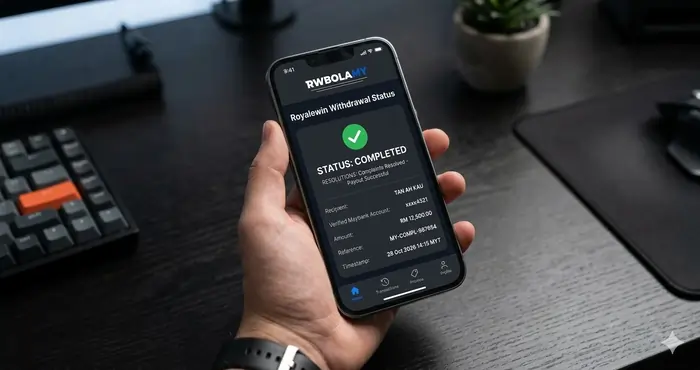
- Guaranteeing withdrawals
Without strong Security & Fair Play, players have no leverage when disputes arise.
Core Components of Security And Fair Play
1. Data Encryption & Cybersecurity
Modern Security and Fair Play begin with technology.
Legitimate casinos use:
- 256-bit SSL encryption
- Secure HTTPS protocols
- Firewalls and intrusion detection
If encryption is missing, Security and Fair Play are compromised immediately.
2. RNG Certification & Game Integrity
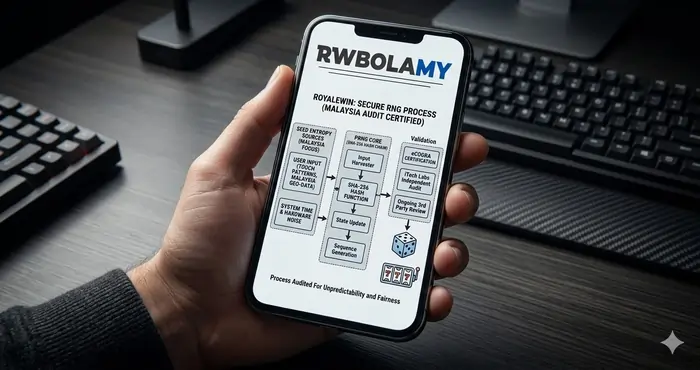
Fair games depend on certified Random Number Generators.
Independent testing labs include:
- iTech Labs
- GLI
- eCOGRA
RNG audits are a core pillar of Security and Fair Play, ensuring outcomes are not manipulated.
3. Fraud Prevention & Account Protection
Strong Security and Fair Play systems detect:
- Multi-account abuse
- Bonus fraud
- Payment manipulation
This protects both players and platforms from unfair practices.
Comparison Table: Secure vs Risky Casinos
| Feature | Secure Casino | Risky Casino |
|---|---|---|
| Security & Fair Play | Verified & audited | Unverified |
| SSL Encryption | Yes | No or unclear |
| RNG Certification | Independent audits | None |
| Fraud Detection | Active systems | Minimal |
| Player Protection | Strong | Weak |
| Withdrawal Reliability | Consistent | Unpredictable |
This comparison highlights how Security and Fair Play separate legitimate platforms from high-risk ones.

Payment Security as a Fair Play Indicator
Payment reliability is often the clearest signal of Security and Fair Play.
Trusted casinos offer:
- Secure banking gateways
- E-wallet encryption
- Transparent withdrawal rules
Platforms that delay or block withdrawals often lack true Security and Fair Play standards.
Role of Licensing in Security and Fair Play
Licensing alone does not guarantee fairness—but it enforces Security & Fair Play standards.
Licensed casinos must:
- Submit to audits
- Maintain compliance
- Handle disputes responsibly
Without licensing, Security & Fair Play are voluntary—not enforceable.
Security And Fair Play in Live Dealer Games
Live casino games introduce additional fairness risks.
Trusted platforms ensure:
- Studio surveillance
- Dealer training
- Video integrity monitoring
This is why reputable providers invest heavily in Security & Fair Play for live gaming.
Comparison Table: Game Provider Fairness
| Provider | RNG Audits | Fair Play Reputation |
|---|---|---|
| Evolution | Yes | Excellent |
| Microgaming | Yes | Very High |
| Playtech | Yes | High |
| Unknown Providers | No | Risky |
Provider reputation directly affects Security & Fair Play quality.

Operational Transparency and Its Role in Security & Fair Play
Beyond technical safeguards, Security & Fair Play are heavily influenced by how openly an online casino operates. Operational transparency refers to how clearly a platform communicates its rules, processes, and responsibilities to players. Casinos that publish detailed terms, explain verification steps, and clarify payout timelines demonstrate confidence in their systems—an indirect but powerful signal of Security & Fair Play.
When policies are vague or constantly changing, fairness becomes subjective. Transparent platforms remove ambiguity, ensuring players know what to expect before depositing funds. This clarity reduces disputes and reinforces trust, which is central to maintaining consistent Security & Fair Play standards.
Security & Fair Play in Customer Support Interactions
Customer support is often overlooked as a component of Security & Fair Play, yet it plays a critical role. Responsive, knowledgeable support teams help resolve issues before they escalate into disputes. More importantly, they demonstrate that the platform is accountable to its users.
Casinos committed to Security & Fair Play typically provide:
- 24/7 live chat availability
- Clear escalation channels
- Documented complaint procedures
Support quality reflects how seriously a platform treats fairness. Delayed or dismissive responses weaken confidence, even if technical security measures appear strong.
Platform Stability and Fair Play Consistency
System stability directly affects Security & Fair Play. Frequent downtime, game crashes, or payment system errors can disrupt gameplay and create uncertainty around outcomes. Stable platforms invest in infrastructure that ensures games run consistently, transactions are processed accurately, and records are properly logged.
This consistency matters because fair play depends not only on randomness but also on reliable execution. A technically unstable platform introduces risk, even if games are certified. Long-term Security & Fair Play require both audited systems and dependable performance.
The Role of Player Education in Security & Fair Play
An often-overlooked dimension of Security & Fair Play is player awareness. Even the most secure platform cannot protect players who misunderstand bonus rules, verification requirements, or betting mechanics. Casinos that invest in educational content—such as FAQs, rule explanations, and responsible gaming guides—actively support fair outcomes.
Educated players make better decisions, file fewer disputes, and engage more responsibly. This creates a healthier ecosystem where Security & Fair Play are reinforced on both sides of the platform.
Long-Term Fairness vs Short-Term Promotions
Casinos that emphasize short-term promotions over structural integrity often compromise Security & Fair Play. Excessive bonuses with complex conditions may attract attention, but they also increase the likelihood of disputes and dissatisfaction.
Platforms focused on long-term fairness prioritize:
- Clear wagering requirements
- Reasonable withdrawal limits
- Consistent game behavior
These practices support sustainable Security & Fair Play, ensuring players are rewarded through fair systems rather than promotional illusions.
Audits, Reporting, and Continuous Improvement
True Security & Fair Play are not static. Leading platforms undergo regular audits, update security protocols, and adapt to new threats. This ongoing commitment distinguishes serious operators from those who meet only minimum requirements.
Regular reporting and internal reviews help identify weaknesses before they affect players. In this way, Security & Fair Play become an evolving process—one that improves with transparency, oversight, and accountability.
Closing Perspective on Security & Fair Play
Ultimately, Security & Fair Play are built through alignment: technology, policy, support, and education working together. No single feature defines fairness; it is the consistency of safeguards across the entire player journey that matters.
For Malaysian players navigating a complex online landscape, prioritizing platforms that demonstrate sustained Security & Fair Play offers the strongest protection. When fairness is embedded into operations—not just advertised—players gain confidence, control, and peace of mind.
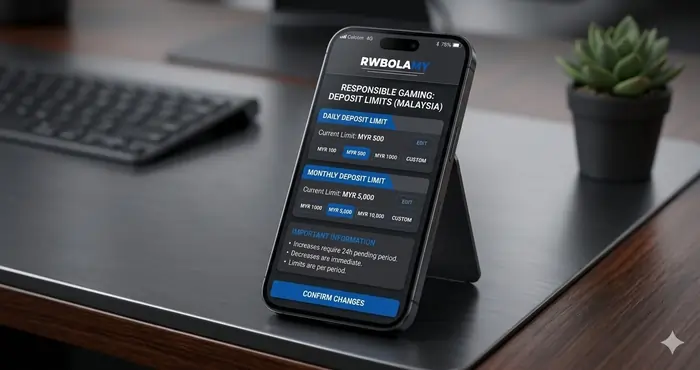
Responsible Gaming as Part of Fair Play
True Security and Fair Play also include player well-being.
Legitimate platforms offer:
- Deposit limits
- Loss limits
- Time-out tools
- Self-exclusion
Fair play is not only about games—it is about ethical operation.
Real-World Application: Platform Evaluation
When reviewing platforms like Royalewin, Security & Fair Play should be evaluated across:
- Encryption
- Game certification
- Payment history
- Player complaints
- Support responsiveness
No single feature proves fairness—consistency does.
Common Red Flags That Break Security And Fair Play
Avoid platforms with:
- No visible encryption
- Unverified game providers
- Vague terms and conditions
- Poor withdrawal records
- Non-existent customer support
Each red flag weakens Security & Fair Play credibility.
Frequently Asked Questions (FAQs)
1. What does Security and Fair Play mean in online casinos?
It means protecting players while ensuring games operate fairly and transparently.
2. How can players verify Security & Fair Play?
Check encryption, RNG audits, licensing, and payment reliability.
3. Are audited games truly fair?
Yes, audited RNG systems ensure unbiased outcomes.
4. Does licensing guarantee Security & Fair Play?
It enforces standards, but players must still evaluate execution.
5. Why is encryption important?
It prevents data theft and unauthorized access.
6. Are live dealer games fair?
They are fair when supported by surveillance and provider oversight.
7. Can bonuses affect fair play?
Yes—unfair wagering terms undermine fair play principles.
8. Is fair play only about games?
No, it includes payments, policies, and player protection.
Final Insight
Security and Fair Play are not optional features—they are the structural foundation of safe online gaming. In markets like Malaysia, where local regulation is limited, players must rely on verified systems, audits, and transparency to protect themselves.
Casinos that consistently demonstrate Security & Fair Play earn trust over time through performance, not promises. Players who prioritize these principles reduce risk, improve control, and experience gaming as entertainment—not exposure.
Let systems—not slogans—define where you play.
Disclaimer
This article is for informational purposes only. Online gambling carries financial risk and may be restricted in certain jurisdictions. Always verify Security & Fair Play, follow applicable laws, and gamble responsibly. Never wager more than you can afford to lose.